A Good Bad Day in the Science Classroom
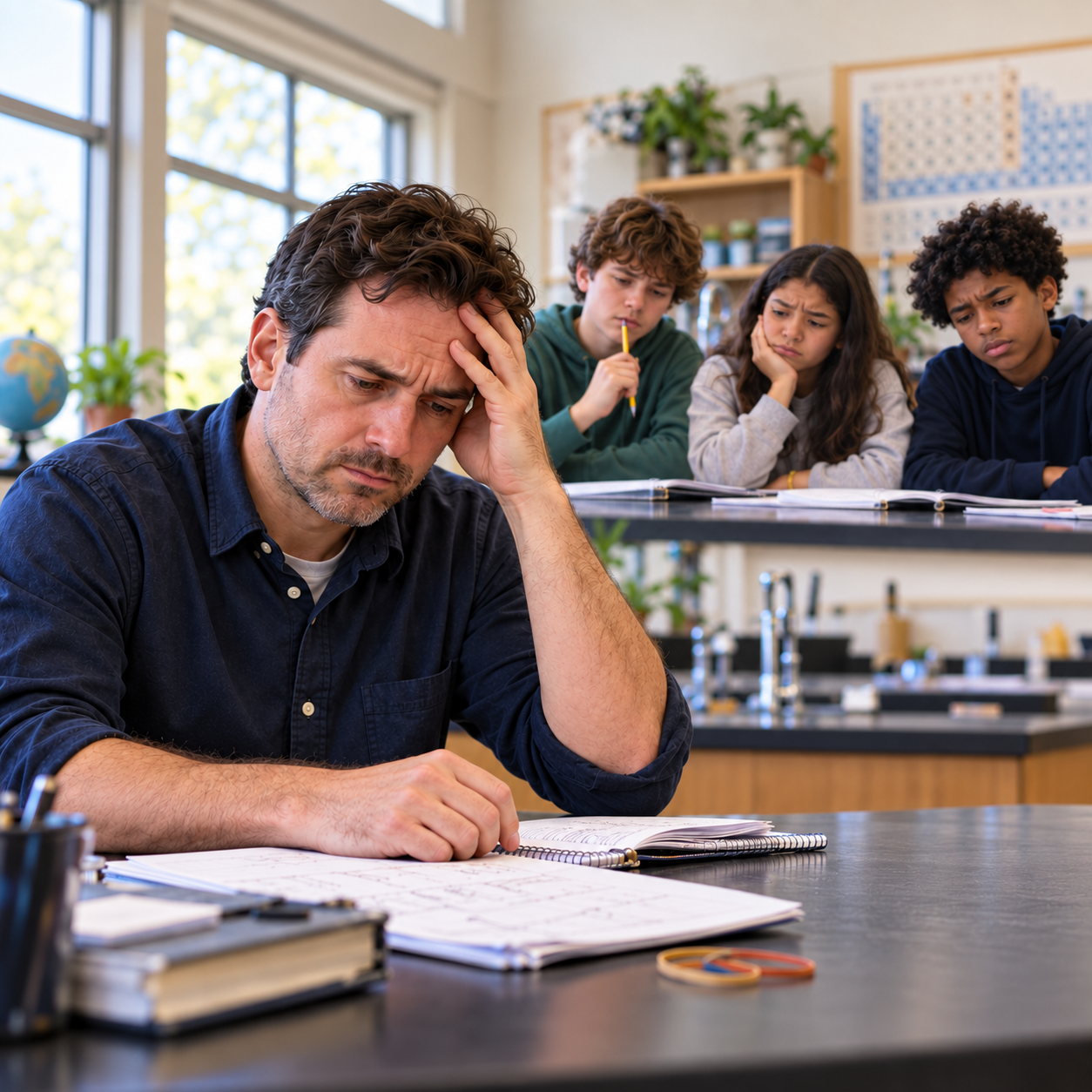
My first attempt at the arm model lab went poorly, and I took it hard. Working through the revisions reminded me how uncertainty feels for students and why learning deserves a longer timeline than one two-day lesson.
Scientific “Play Time”: Making Room for Curiosity in the Lab
When my students started playing with their lab materials instead of writing, some fell behind. It reminded me why I usually plan for exploration: a few purposeful minutes can help students notice patterns, develop questions, and give me a window into their thinking.
My AI Teacher Bestie Needed a Devil’s Advocate
One medical imaging lesson spent 36 hours living in my brain rent free. Asking AI to respond as a supportive teacher bestie, a pace-focused administrator, and a friend outside education helped me weigh the options—and find a plan with room for different learners.
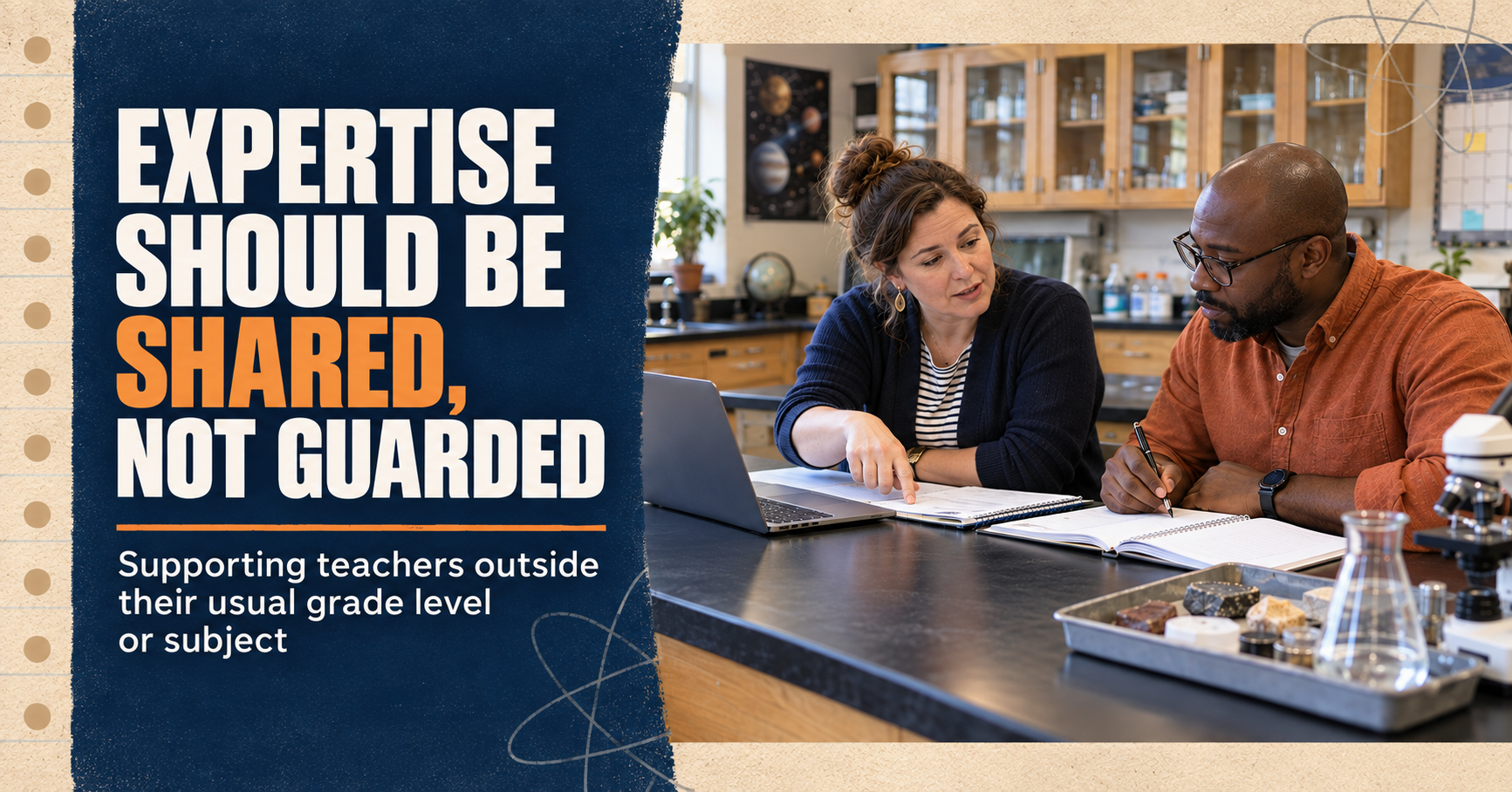
Expertise Should Be Shared, Not Guarded
Teachers assigned to unfamiliar grades or subjects are learning and teaching at the same time. Practical support from experienced coworkers can reduce decisions, share the workload, and improve learning for everyone.
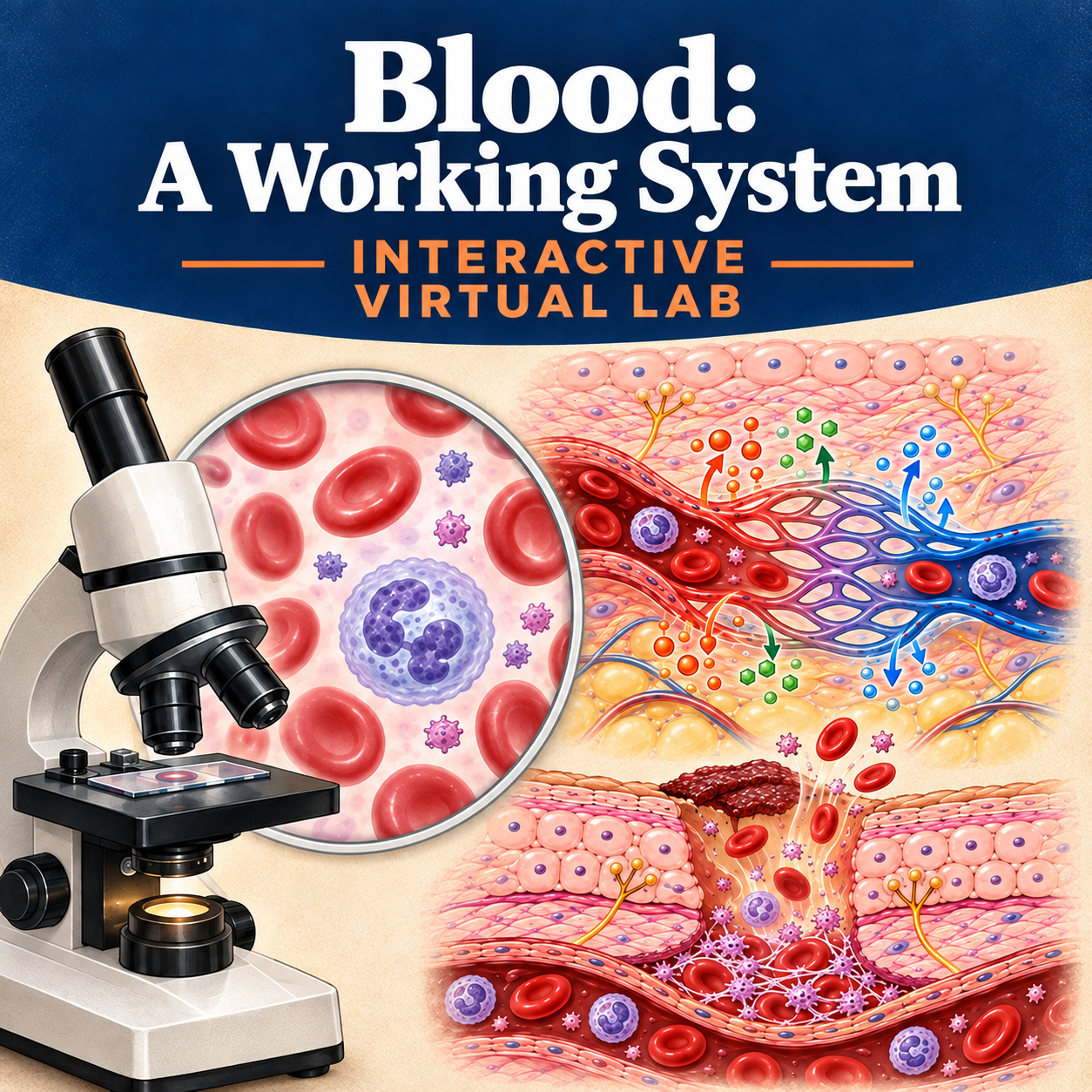
From a Boring Blood Text to a Working Blood Simulator
Blood should be fascinating, but my lesson kept flattening into a reading about red blood cells, white blood cells, platelets, and plasma. Here is how repeated classroom-focused revisions turned that passive text into a four-part interactive investigation of microscopy, mixtures, capillary exchange, clotting, swelling, and immune cleanup.
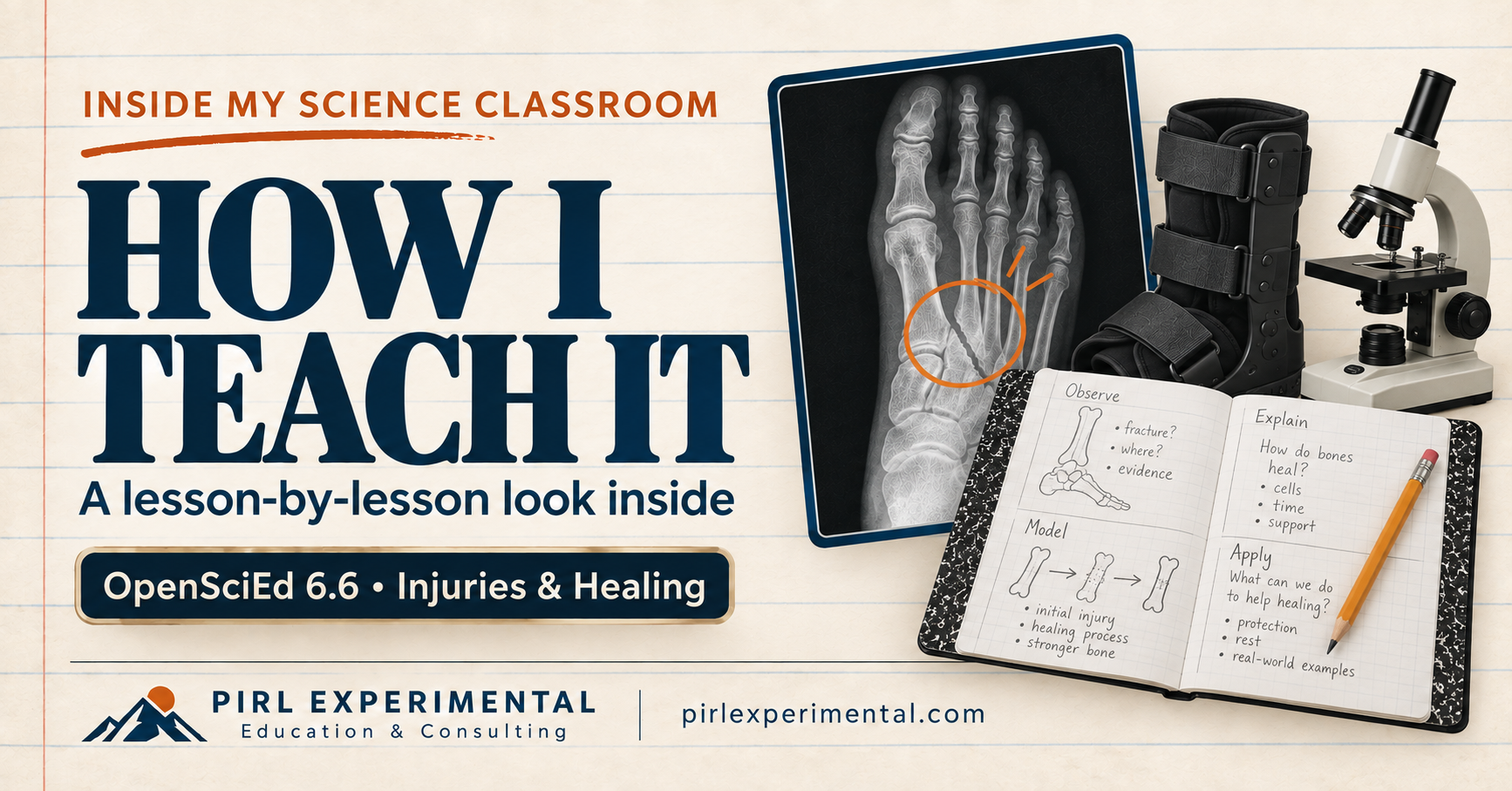
How I Teach It: A Look Inside My Science Classroom
What does a lesson look like once it reaches the classroom? In How I Teach It, I share the decisions, materials, and routines behind my seventh-grade science lessons. The series begins with OpenSciEd 6.6: injury investigations, recovery reports, medical images, and the connections that help students build and revise their ideas.
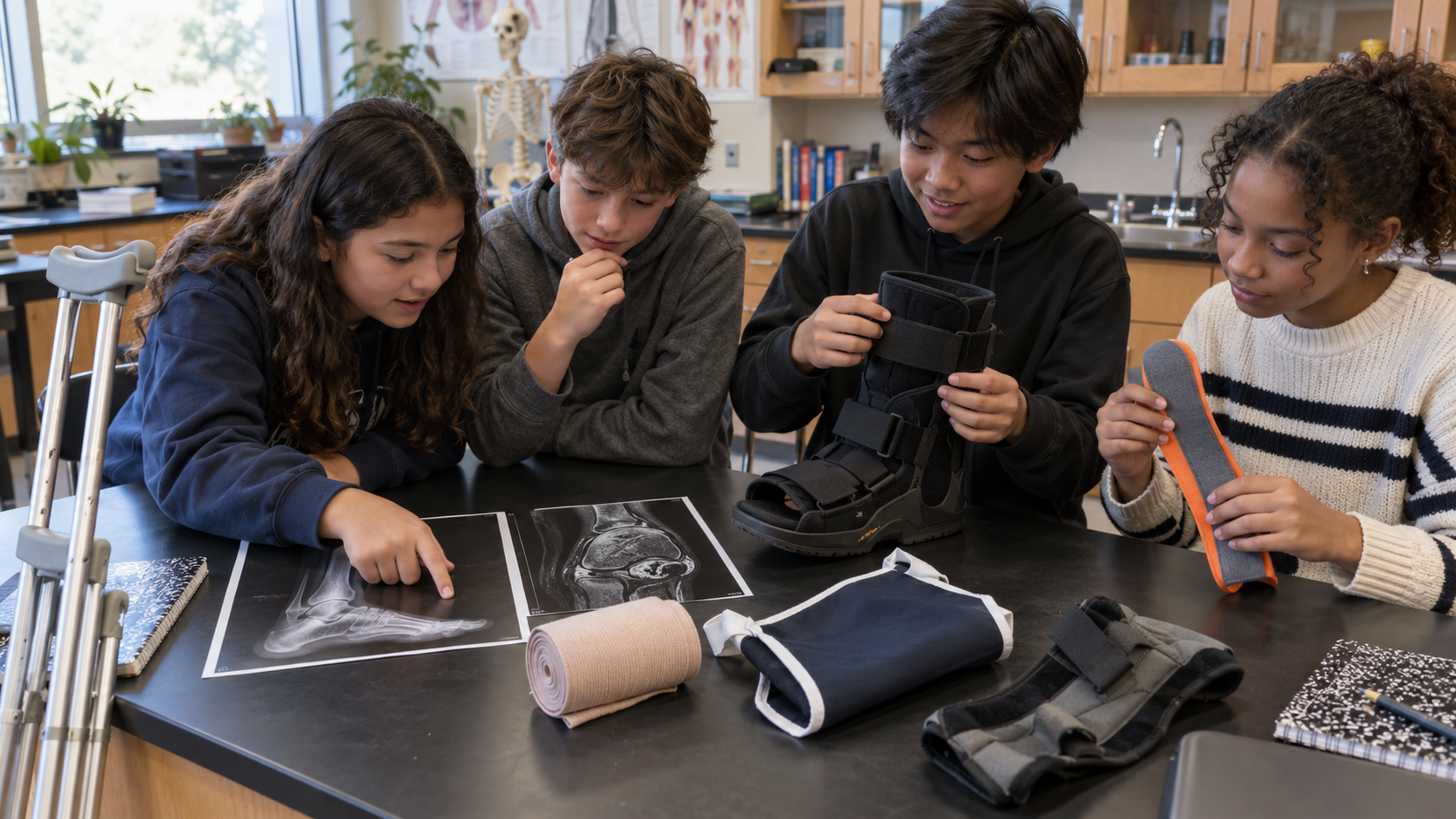
Before You Buy the Supplies, Ask the Families
A request for injury-recovery equipment revealed something bigger: students' families are an overlooked network of expertise, artifacts, professional connections, and real-world learning opportunities.
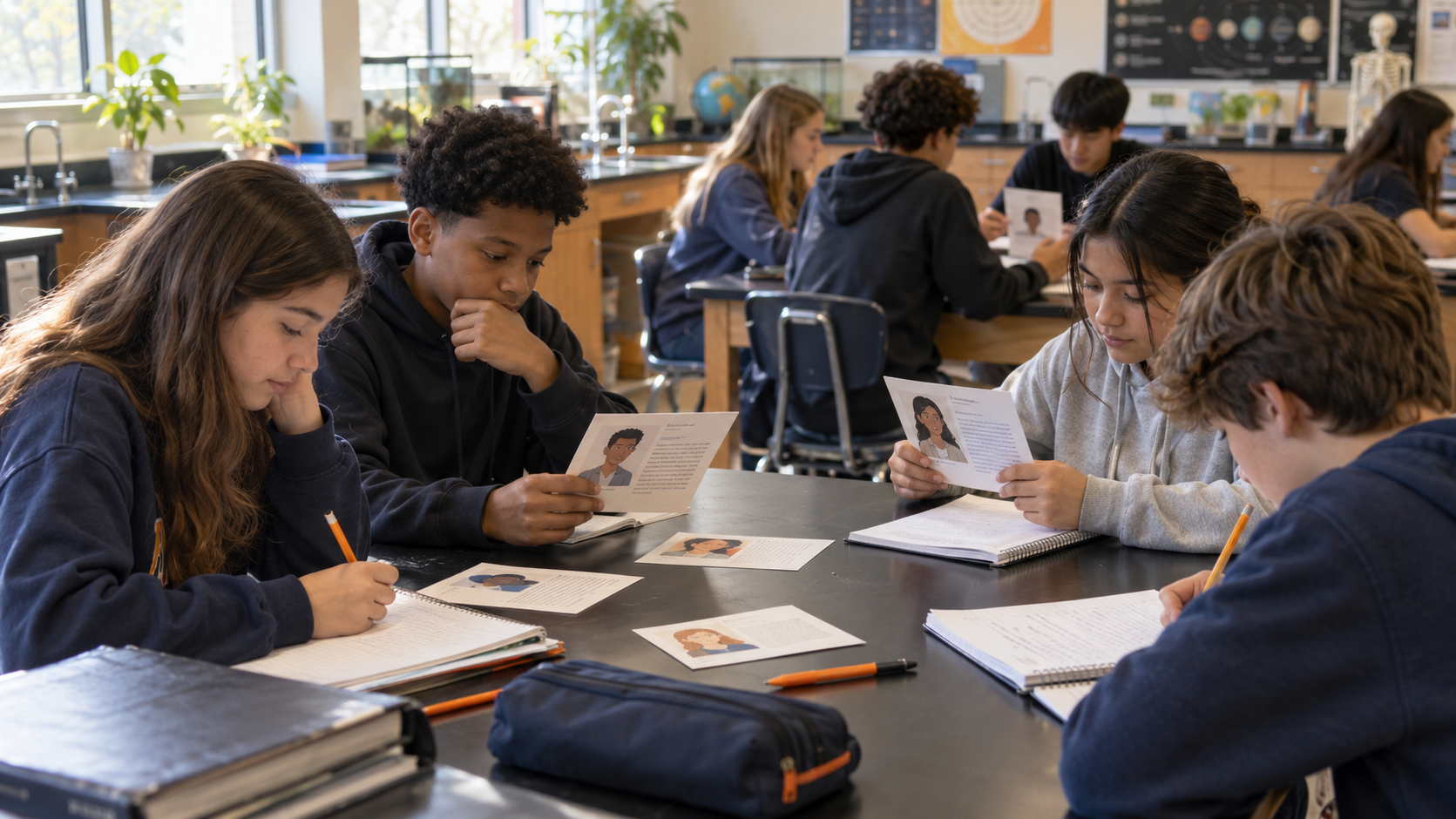
The Lesson That Actually Fit the Period
Six fictional students helped my seventh graders recognize real classroom strengths and challenges—and showed me what happens when lesson design, timing, and reflection truly fit the classroom.
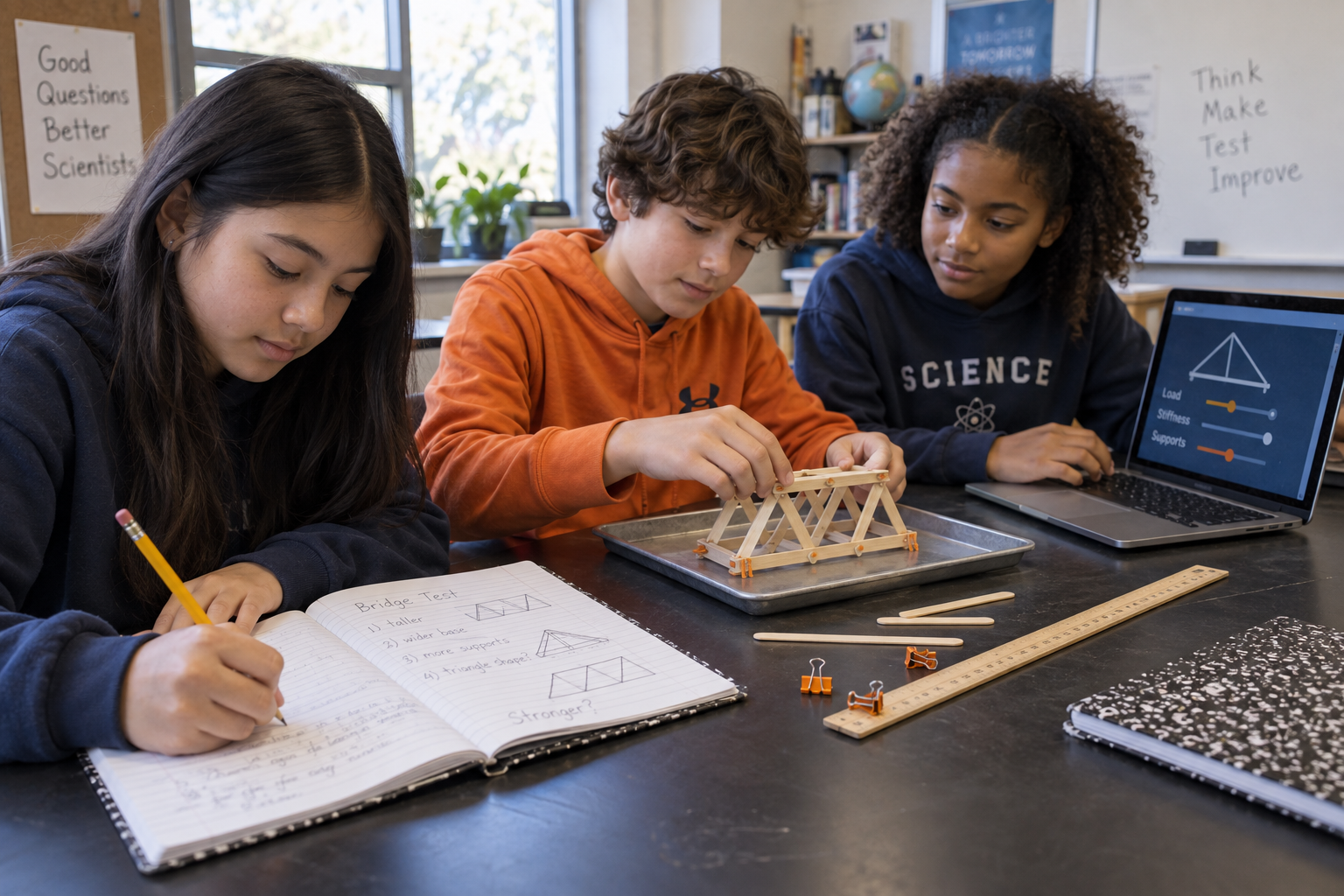
Why My Tech Savvy Classroom Still Works by Hand
I build simulations, experiment with AI, and believe technology can help solve big problems. Yet my students regularly close their laptops to write, draw, and build by hand. Here’s how I choose when screens belong in a lesson—and why I’m looking for more opportunities to blend virtual and physical learning.
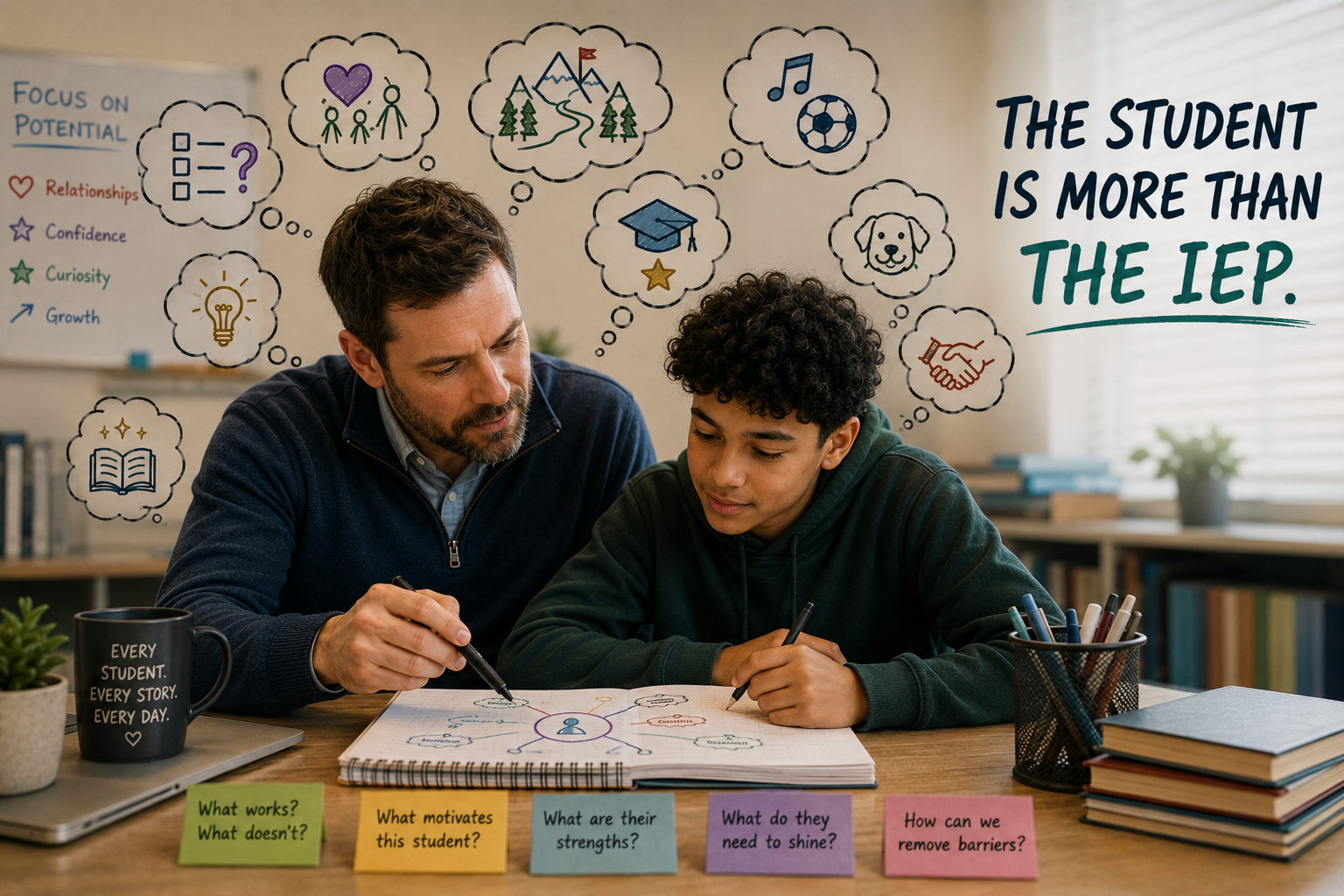
The Student Is More Than the IEP
An IEP provides valuable information, but it cannot fully capture who a student is. Special educator Dan Drzyco reflects on building relationships, selecting meaningful supports, preserving appropriate challenges, and allowing students to grow beyond earlier labels.